The Homeowner’s Guide to Residential Drain Cleaning Tacoma and Drain Maintenance
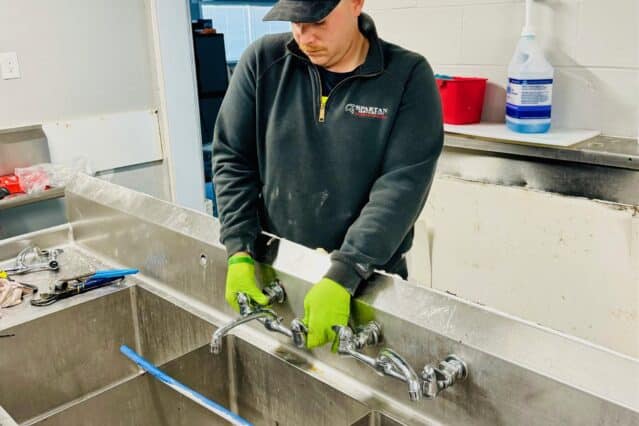

A drain problem rarely announces itself at a convenient time. It starts quietly, with a sink that empties a little slower than usual or a shower pan that holds an inch of water around your feet. Then one morning the kitchen sink refuses to move anything at all, or a downstairs toilet gurgles when the washing machine runs. By the time most homeowners start searching for answers, they are no longer dealing with a minor annoyance. They are managing disruption, potential water damage, and the unpleasant fact that what disappears down a drain does not always stay gone.
In Tacoma, drain systems take a beating for reasons that are not always obvious. Older neighborhoods often have aging pipes, mature trees with aggressive roots, and homes that have seen decades of remodels, repairs, and add-on plumbing. Newer homes are not immune either. Even modern drain lines can clog when kitchens collect grease, bathrooms accumulate hair and soap residue, and homeowners rely too heavily on chemical cleaners that promise speed but often create different problems.
Good drain maintenance is less about miracle fixes and more about pattern recognition. If you understand how your home's drainage system behaves, you can catch the early signs, make smarter maintenance choices, and know when a simple cleanup has crossed into professional territory. That is the real value of a practical guide to Residential Drain Cleaning Tacoma homeowners can use.
What your drains are really dealing with
Every fixture in your home contributes a different kind of buildup. Kitchen drains collect grease, cooking oils, starches, coffee grounds, and food scraps. Even households that scrape plates carefully still send fine particles down the line. Grease is the bigger offender. It may look harmless when rinsed with hot water, but once it cools inside the pipe, it coats the walls and traps everything behind it.
Bathroom drains tell a different story. There, clogs are usually made of hair, soap scum, toothpaste residue, and skin oils. In homes with hard water, mineral scale can narrow the inside diameter of pipes over time, giving debris more surface to stick to. The result is not always a sudden blockage. More often, it is a slow, sticky restriction that gets worse month by month.
Laundry drains pick up lint, detergent residue, and occasionally small fibers from synthetic clothing. Utility sinks are often where paint washout, mop water, or DIY cleanup ends up. That kind of sediment settles, hardens, and forms dense obstructions that are much tougher than an ordinary hair clog.
Then there is the main sewer line. That line carries everything from the house to the municipal connection or septic system. When it starts to fail, symptoms appear in multiple fixtures at once. Tree roots are a common factor in Tacoma, especially in older properties with clay or aging concrete sewer lines. Roots do not need a gaping opening. They can enter through hairline cracks or loose joints, then expand into a fibrous mass that catches paper and waste until the line narrows to a fraction of its intended size.
The difference between a nuisance clog and a system problem
One slow bathroom sink does not necessarily mean the house has a serious drain issue. It often means exactly what you think it means, a localized clog close to the drain opening. A clogged pop-up assembly or a wad of hair in the trap can usually be cleared without drama.
What matters is the pattern. When more than one fixture is slow, especially fixtures on the same branch line, the problem is usually deeper in the system. If the downstairs shower backs up when the upstairs tub drains, that is a warning sign. If the toilet bubbles when the washing machine discharges, pay attention. Air is getting displaced in ways it should not, and that usually points to a restriction beyond a single fixture.
The age of the home also changes the odds. In an older Tacoma house, a recurring drain problem may reflect pipe condition as much as clog formation. Corroded cast iron develops rough interior surfaces that catch waste. Clay lines can shift. Older repairs may have introduced fittings or offsets that were acceptable at the time but now create flow problems. A homeowner can snake the line repeatedly and still not solve the underlying issue, because the pipe itself has become the problem.
Why store-bought fixes often disappoint
There is a reason chemical drain openers remain popular. They are cheap, available everywhere, and packaged with urgency. When a tub is full of standing water, that promise is tempting. The issue is that chemical products are blunt instruments. Some generate heat. Some rely on caustic action. Some simply are not strong enough to break through the kind of dense clog homeowners are actually facing.
Even when they appear to work, the result may be partial. Water begins moving again, but the clog has only softened or tunneled. The pipe walls remain coated. Within days or weeks, the blockage returns. Worse, repeated chemical use can damage certain types of piping, create hazards for anyone who later opens the trap or works the line, and leave a stronger, messier backup for the next person to handle.
Mechanical cleaning tends to be more reliable because it physically removes or breaks apart the obstruction. A simple hand auger can clear many bathroom sink and tub clogs. A professional cable machine reaches farther and applies more force. For heavy grease, sludge, or root intrusion, hydro jetting may be the more effective choice because it scours the pipe walls rather than poking a narrow channel through the clog.
That distinction matters. Opening flow is not the same as cleaning the pipe.
Early warning signs that deserve attention
If you wait for a complete backup, your options get narrower and the cleanup gets more expensive. Homeowners usually have a window when the system is asking for maintenance rather than emergency intervention.
- Water draining slowly from more than one fixture
- Gurgling sounds after flushing or draining
- Odors coming from sinks, tubs, or floor drains
- Water backing up in the lowest drain in the house
- Frequent need to plunge the same fixture
None of those signs automatically means a major sewer repair is ahead, but they do mean the drainage system is not functioning normally. A professional inspection at that stage is often cheaper than repeated short-term fixes.
Tacoma homes have some local quirks
Tacoma's housing stock spans well over a century, and plumbing systems reflect that variety. In one week, a drain technician might work in a craftsman with original cast iron, a mid-century home with galvanized remnants, and a newer development with ABS or PVC throughout. Each system behaves differently under stress.
Older cast iron can hold up structurally for a long time, but the interior often tells a different story. Scale, rust, and years of accumulated residue reduce carrying capacity. A line that looked adequate on paper decades ago may now perform like a much smaller pipe. Homeowners are often surprised when a camera inspection reveals that the blockage was not one object but years of narrowing.
Clay sewer laterals are another Tacoma reality. They were widely used and can last, but roots love them. The Pacific Northwest climate encourages growth, and established trees can send roots surprisingly far in search of moisture. A line may work well for years, then start backing up during wetter months or after a period of heavy use. That does not always mean collapse. Sometimes it means the line needs professional root cutting and a maintenance plan.
Tacoma's rain also changes how homeowners perceive drain trouble. During wet seasons, people may assume any water issue is outside runoff or stormwater related. Sometimes it is. Sometimes a partially blocked footing drain, yard drain, or sewer lateral only reveals itself when the whole system is under more pressure. Good diagnosis matters, because the fix for groundwater intrusion is not the same as the fix for grease in a kitchen branch line.
What professional drain cleaning actually involves
Many homeowners picture drain cleaning as a single method, usually a snake fed into a clogged line. In reality, professionals choose from several tools based on the pipe material, the likely obstruction, the length of the run, and whether the goal is emergency relief or full restoration of flow.
Drain snaking is often the first mechanical option for localized clogs. A cable with the right head can pull hair, punch through soft blockages, or retrieve debris. For bathroom drains and toilets, this is often enough.
For thicker buildup or longer runs, a heavier cable machine may be used. This approach is common for branch lines and some sewer line work. It is effective at opening passage through roots or dense sludge, but it may leave material attached to the pipe wall. Think of it as restoring movement, not necessarily leaving the line clean.
Hydro jetting uses high-pressure water to scour the interior of the pipe. In the right situation, it is one of the best ways to remove grease, soap, sludge, and residual root material. It can dramatically improve performance because it cleans the full circumference of the line. It is not appropriate for every pipe, especially if the line is fragile or damaged, which is why many technicians inspect first.
Camera inspection has become one of the most useful parts of Residential Drain Residential Drain Cleaning Tacoma Spartan Plumbing Services Cleaning Tacoma service. A camera does not clear the line, but it shows what is happening inside. That changes everything. It can reveal roots, offsets, grease scale, cracks, standing water, or a foreign object that no amount of guessing would identify. Homeowners often save money in the long run when diagnosis comes before repeated trial-and-error service.
The maintenance habits that actually help
Preventive care is not glamorous, but it works. Most homes do not need constant drain service. They need better daily habits and realistic expectations about what pipes can handle.
Grease should never go into the kitchen sink, even with hot water running. Wipe pans first. Let oils cool and dispose of them in a container. Coffee grounds belong in the trash or compost, not the drain. In bathrooms, hair catchers are inexpensive and effective. They look too simple to matter until you see how much they trap in a week. Flush only what is designed to break down in plumbing systems. "Flushable" on packaging does not mean friendly to your pipes.
There is also a right way to use hot water and mild cleaners. Occasionally flushing a kitchen drain with hot water and a little dish soap can help move soft grease before it hardens, but this is maintenance, not a cure for a true clog. Baking soda and vinegar are fine for deodorizing and light fizzing near the surface. They are not a substitute for mechanical cleaning when a line is already restricted.
If a home has a history of root intrusion or recurring main line buildup, scheduled maintenance can make sense. Once a year is common in troublesome systems, though some homes can go longer and some need more frequent attention. The right interval depends on what a previous cleaning and camera inspection revealed.
A practical homeowner routine
The best maintenance plans are boring enough to follow. They do not rely on perfect habits, only better ones repeated consistently.
- Use drain strainers in showers and bathroom sinks
- Keep grease, grounds, and fibrous food scraps out of the kitchen drain
- Run plenty of water during and after garbage disposal use
- Pay attention to slow drains before they become backups
- Schedule professional cleaning if the same problem keeps returning
That short routine prevents a surprising number of service calls. It also gives homeowners a baseline. When you know you are using your system reasonably and a problem still appears, you can be more confident that something deeper is happening.
When a clog points to pipe repair instead of cleaning
Not every drain problem can be solved with cleaning alone. This is where experience matters, because no homeowner wants to be told they need major repair work if the line simply needs proper maintenance. At the same time, repeated cleaning on a failed line becomes expensive denial.
A few patterns tend to separate the two. If a line clogs again shortly after thorough cleaning, especially when a camera confirmed it was clear at the time, the pipe may have structural defects. Bellies, where part of the pipe has settled and holds standing water, can cause chronic stoppages. Cracks or shifted joints can catch debris continuously. Severe corrosion can reduce the effective pipe size enough that ordinary household use overwhelms it.
Root intrusion is another judgment call. Light root entry can often be managed with cleaning and periodic maintenance. Heavy root masses, especially if they recur quickly, suggest a compromised line that may eventually need repair or replacement. Homeowners are often better served by seeing the footage and understanding the condition than by hearing a generic recommendation.
The right contractor will explain not just what is wrong, but why a proposed solution fits the line's current condition. Sometimes the answer is targeted spot repair. Sometimes trenchless options are available. Sometimes a line has enough life left that scheduled cleaning remains the most cost-effective path. Clear reasoning is more valuable than a dramatic sales pitch.
The cost side of drain maintenance
Drain service costs vary widely because the work varies. Clearing a simple sink clog is not the same job as hydro jetting a main sewer line or scoping an older lateral to evaluate root intrusion. Pricing also depends on access. A cleanout in an accessible basement is easier to work with than a buried exterior line or a roof vent entry.
The useful way to think about cost is not just the service ticket, but the full expense of delay. A proactive drain cleaning visit may feel optional until a backup damages flooring, baseboards, or stored items. A recurring clog that interrupts laundry or kitchen use has a quality-of-life cost too. Emergency service is usually more expensive, and it tends to happen at the least convenient time.
For homeowners comparing estimates, scope matters more than the lowest number. Ask whether the service includes diagnosis, whether a camera inspection is recommended, whether the line will be fully cleaned or simply opened, and what the likely next step is if the issue returns. Two quotes can sound similar while promising very different outcomes.
How to choose the right drain professional
A good drain technician does more than restore flow. They observe patterns, explain options, and avoid overstating what they know before inspecting the line. That professionalism becomes especially important in Tacoma, where older homes can produce misleading symptoms.
Look for a company that is comfortable discussing pipe materials, local housing conditions, and why one cleaning method is being chosen over another. If hydro jetting is proposed, they should be able to explain why the line can handle it. If repair is recommended, they should be able to show evidence, often with camera footage. You do not need a lecture in plumbing engineering, but you should not have to accept vague warnings either.
It also helps to notice how the company talks about prevention. Contractors who only discuss emergencies may not be thinking like long-term service partners. The best Residential Drain Cleaning Tacoma providers usually have a balanced view. They know when a homeowner can handle simple upkeep, when a recurring issue needs professional cleaning, and when the real problem lies in the pipe itself.
Seasonal timing and why it matters
Homeowners often wait until holiday cooking, houseguests, or heavy rain exposes an existing weakness. A more strategic approach is to schedule maintenance before the system is under unusual stress. Kitchen drains get tested hardest during big meal periods. Main lines reveal weakness when household use increases or when wet weather highlights flow problems.
Late summer and early fall are practical times for many Tacoma homeowners to assess drainage, especially if roots have caused trouble before. Spring can also be useful after a wet season has exposed slow drainage or damp-area concerns. The exact timing is less important than consistency. If your home has a known pattern, maintenance should happen before the pattern becomes a crisis.
The long view on a healthy drainage system
A home's drain system is easy to ignore because it is designed to work invisibly. Water enters, waste exits, and nobody wants to think much beyond that. But plumbing rewards attention. A small amount of maintenance, a healthy skepticism toward quick chemical fixes, and timely professional service can add years of reliable performance.
For Tacoma homeowners, that usually means respecting the age and personality of the house. An older line may need more observation. A tree-heavy lot may require periodic sewer attention. A busy kitchen may benefit from better disposal habits and occasional preventive cleaning. None of this is complicated once you stop expecting the drains to be indestructible.
The goal is not perfection. Every home will clog eventually. The goal is fewer emergencies, better judgment, and a drain system that behaves predictably because it is being cared for properly. That is what smart drain maintenance looks like, and it is the difference between reacting to plumbing problems and staying comfortably ahead of them.
Spartan Plumbing Services
Address: 760 107th St S, Tacoma, WA 98444
Phone number: +12534998773
FAQ About Residential Drain Cleaning Tacoma
How much does it cost to have someone clean your drains?
Professional drain cleaning costs between $147 and $352 on average, with most homeowners paying around $246. The final price is heavily determined by the type of drain affected, the clearing method needed, and your geographic location.
How much does it cost to clean a drain line?
Professional drain cleaning costs between $147 and $352 on average, with most standard residential jobs landing right around $246. However, your final bill can scale from $100 to over $800 depending entirely on which drain is clogged and the method required to clear it.
Is professional drain cleaning worth it?
Yes, professional drain cleaning is worth it because it clears deep buildup and prevents expensive plumbing emergencies.